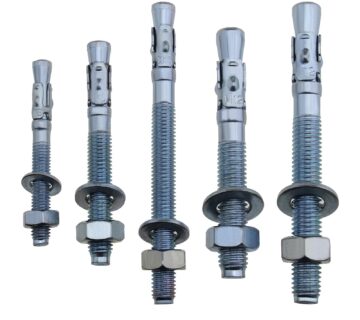
GCC projects expose fasteners to a punishing mix of heat, humidity, salt aerosol and dust. Get the specification right and a fixing lasts the life of the structure; get it wrong and corrosion drives inspection, maintenance and premature replacement. This guide gives a practical, standards-grounded framework for specifying corrosion-resistant fasteners for coastal and desert environments in the UAE and wider GCC.
Why the Gulf is so hard on fasteners
Three factors combine: high relative humidity, high ambient temperature, and salt contamination in the air near the coast. Chlorides from sea salt break down the protective passive layer on steel and trigger pitting and crevice corrosion — the failure modes that destroy under-specified fasteners within months. Inland, dust and thermal cycling add their own stresses.
Map the environment first: corrosivity categories
International standard ISO 9223 rates atmospheric corrosivity from C1 (very low) to CX (extreme). Matching fastener specification to category is the professional approach:
| Category | Typical GCC location | Suggested specification |
| C3 | Urban / inland | A2-70 (SS304) or coated carbon where exposure is controlled |
| C4 | Coastal / industrial | A4-70/80 (SS316) or high-performance zinc systems |
| C5 / CX | Marine splash / severe | Duplex 2205, or engineered coatings with a maintenance plan |
Your material options, ranked
1. Stainless steel (A2/SS304 and A4/SS316)
The go-to for corrosion resistance. SS304 suits general and inland use; SS316, with its molybdenum content, is the coastal and marine standard. Within about 1 km of the coast, specify SS316.
2. Hot-dip galvanised (HDG) carbon steel
A thick zinc barrier that performs well for outdoor and general construction, particularly inland. Cost-effective, but in chloride-heavy splash zones stainless usually outlasts it.
3. Duplex and coated systems
For the most severe marine and chemical exposure, duplex stainless (e.g. 2205) offers higher strength and corrosion resistance, while engineered coatings (zinc-flake, fluoropolymer/PTFE) protect carbon steel where stainless isn’t specified — provided the coating is maintained.
Two mistakes that cost UAE projects
- Using indoor-grade (zinc-plated) fasteners outdoors — electroplated zinc does not survive Gulf coastal air.
- Mixing metals without protection — a carbon-steel bolt in aluminium, or the wrong washer pairing, causes galvanic corrosion. Use insulating washers when joining dissimilar metals.
A quick specification checklist
- Locate the site on the C3–CX scale (inland vs coastal vs splash).
- Pick the grade: A2/SS304 inland, A4/SS316 coastal, duplex for severe.
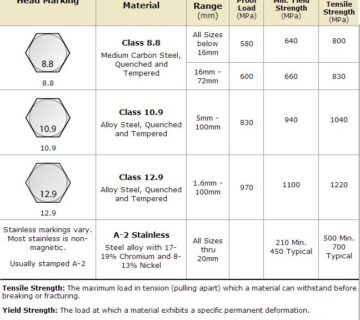
- Confirm strength class (e.g. A4-70) for the load.
- Match nuts, bolts and washers in compatible materials to avoid galvanic issues.
- Buy certified grade from a supplier who can confirm material.
Specify with a UAE stockist who knows the climate
Al Hafoof Hardware supplies corrosion-resistant fasteners — SS304, SS316, HDG and more — across Dubai and the UAE, with guidance mapped to your site’s exposure. Tell us where and how the fasteners will be used and we’ll help you specify for the Gulf, not against it.
FAQs
The combination of high humidity, high temperature and airborne salt (chlorides) near the coast. Chlorides attack the passive layer on steel, causing pitting — which is why coastal GCC sites are rated among the most corrosive environments.
No. Stainless is not always necessary or sufficient. Inland dry sites may only need HDG or SS304, while severe marine splash zones may need duplex grades. The right choice balances corrosivity, strength, cost and galling risk.
It’s a standardised rating (ISO 9223) of how aggressive an environment is. Roughly: C3 = urban/inland, C4 = coastal/industrial, C5/CX = marine splash and severe. Higher categories require higher-grade stainless or better coatings.
Hot-dip galvanising (HDG) gives a thick, durable zinc barrier suited to humid outdoor use. For chloride-heavy coastal exposure, stainless (A4/316) usually outperforms coated carbon steel.
Yes. Tell us the location (coastal or inland), the environment and the loads, and we’ll recommend the grade and coating and quote the fasteners you need across the UAE.