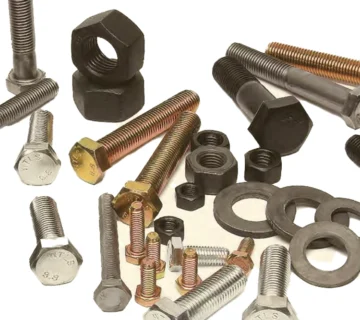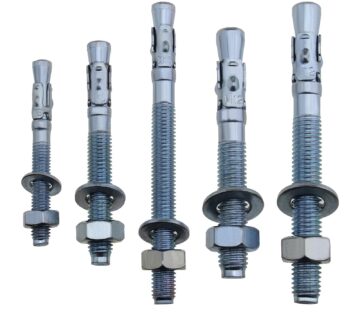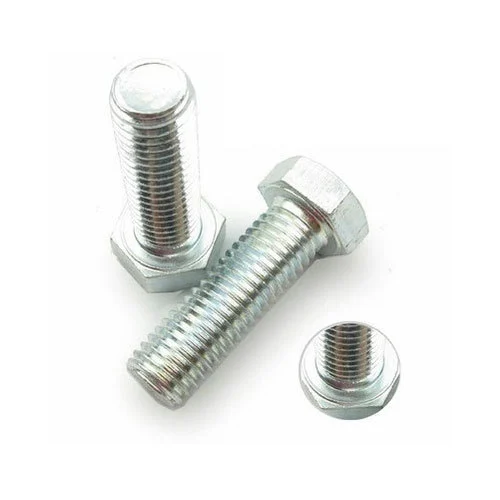
Stainless steel is one of the most widely used materials in construction, manufacturing, and industrial fastening. But not all stainless steels are the same — and knowing the difference between grades can greatly affect performance, durability, and long-term reliability. Two of the most commonly compared stainless steel grades are 202 and 304, each with its own strengths, applications, and cost advantages.
Understanding the difference between 304 and 202 stainless steel is essential when choosing fasteners, components, or structural materials for your project — especially in the harsh climate conditions of the UAE and GCC.
At Al-Hafoof, we supply high-quality stainless steel fasteners and materials that meet international standards, helping businesses choose the right grade for their specific needs. Let’s break down the key differences between these two popular stainless steels.
🔍 Chemical Composition: Where the Real Difference Begins
The biggest difference between 304 and 202 stainless steel comes from their alloy composition.
⭐ 304 Stainless Steel Composition
- 18% Chromium (Cr)
- 8–10% Nickel (Ni)
- Low carbon content
- Contains some manganese
⭐ 202 Stainless Steel Composition
- 16–17% Chromium (Cr)
- 4–6% Nickel (Ni)
- High manganese (Mn)
- Higher carbon content (compared to 304)
What This Means:
✔ 304 has more nickel, giving it better corrosion resistance
✔ 202 uses manganese as a partial replacement for nickel, making it cheaper
✔ Higher carbon in 202 means it is harder but more prone to rust
🌦 Corrosion Resistance: A Major Performance Factor
When comparing 202 vs 304 stainless steel, corrosion resistance is one of the most decisive factors.
⭐ 304 Stainless Steel – Excellent Corrosion Resistance
- Performs well in humid, coastal, and chemical environments
- Suitable for marine conditions
- Ideal for outdoor fasteners
- Highly resistant to rust and oxidation
⭐ 202 Stainless Steel – Moderate Corrosion Resistance
- Good for indoor or mild outdoor environments
- Not suitable for marine or highly humid environments
- Can rust if exposed to moisture over long periods
Verdict:
➡ 304 stainless steel is significantly better for corrosion resistance, making it the preferred choice for UAE’s humid, coastal regions.

🔧 Strength & Durability
Both grades offer good mechanical strength but differ in behavior.
⭐ 202 Stainless Steel
- Higher carbon = higher hardness
- More resistant to physical wear
- Stronger for certain mechanical applications
⭐ 304 Stainless Steel
- More ductile and flexible
- Less brittle under extreme temperatures
- More durable for long-term structural use
202 is harder, while 304 is tougher and more stable.
💰 Cost Comparison
One of the biggest reasons companies choose 202 stainless steel is cost.
⭐ 202 Stainless Steel – More Affordable
- Lower nickel content reduces production cost
- Good for budget-sensitive projects
- Widely used in domestic and light industrial applications
⭐ 304 Stainless Steel – Higher Price
- More nickel means higher cost
- But better performance and longer lifespan
Verdict:
If long-term performance matters, 304 is more cost-effective despite its higher price.
🛠 Applications: Where Each Grade Works Best
⭐ Best Uses for 304 Stainless Steel
304 is ideal for environments requiring durability, hygiene, and corrosion resistance:
- Marine and coastal projects
- Food processing equipment
- Chemical and pharmaceutical plants
- Outdoor fasteners and structures
- High-quality kitchen equipment
- Water treatment plants
- Industrial machinery components
⭐ Best Uses for 202 Stainless Steel
202 is commonly used in low to moderate exposure environments:
- Indoor fasteners
- Furniture and decorative items
- Kitchen utensils
- Railings (indoor)
- Automotive trim
- Light structural applications
- Home appliances
Summary:
➡ Use 304 when exposure to corrosion, chemicals, or moisture is expected.
➡ Use 202 for indoor, low-cost, or light-duty applications.
🔍 Visual & Magnetic Differences
⭐ 304 Stainless Steel
- Slightly non-magnetic or very weakly magnetic
- Brighter, more reflective surface
⭐ 202 Stainless Steel
- More magnetic due to higher manganese
- Slightly darker appearance
This helps buyers identify material quality when purchasing fasteners.
🧪 Heat & Chemical Resistance
⭐ 304 Stainless Steel
- Superior heat resistance
- Works well in industrial and chemical environments
- Less likely to degrade under continuous exposure
⭐ 202 Stainless Steel
- Lower heat tolerance
- Not suitable for high-temperature industrial applications
For industrial-grade performance — 304 is the better choice.
⭐ Why Al-Hafoof Recommends 304 for Industrial Fasteners in GCC
Given the UAE’s climate conditions — humidity, heat, and occasional chemical exposure — 304 stainless steel offers far better long-term performance for:
✔ Bolts
✔ Nuts
✔ Washers
✔ Screws
✔ Custom fasteners
While 202 stainless steel is popular for budget-friendly applications, it cannot match the durability and corrosion resistance of 304.
🧠 Summary Table: Difference Between 304 and 202 Stainless Steel
| Feature | 304 Stainless Steel | 202 Stainless Steel |
|---|---|---|
| Nickel Content | High | Low |
| Corrosion Resistance | ⭐⭐⭐⭐⭐ | ⭐⭐ |
| Strength | Strong & ductile | Hard but brittle |
| Cost | Higher | Lower |
| Indoor Use | Yes | Yes |
| Outdoor Use | Excellent | Limited |
| Marine Use | Ideal | Not recommended |
| Magnetic | Low | Medium |
| Durability | Long-lasting | Moderate |
🔚 Conclusion
Understanding the difference between 304 and 202 stainless steel helps you choose the right material for your project. While 202 is cost-effective and suitable for indoor applications, 304 is the superior choice for harsh environments, long-term durability, and corrosion resistance — especially in the UAE and Gulf region.
At Al-Hafoof, we supply premium-grade stainless steel fasteners and custom solutions to meet your industry’s performance demands.
📞 Contact Al-Hafoof Today
Get high-quality stainless steel fasteners engineered for strength, durability, and long-term reliability.
FAQs
Q1: Is 304 stainless steel better than 202?
Yes — especially for corrosion resistance and long-term durability.
Q2: Can 202 stainless steel rust?
Yes, especially in humid or coastal environments.
Q3: Which stainless steel is best for fasteners?
304 stainless steel is ideal for outdoor, marine, and industrial fasteners.